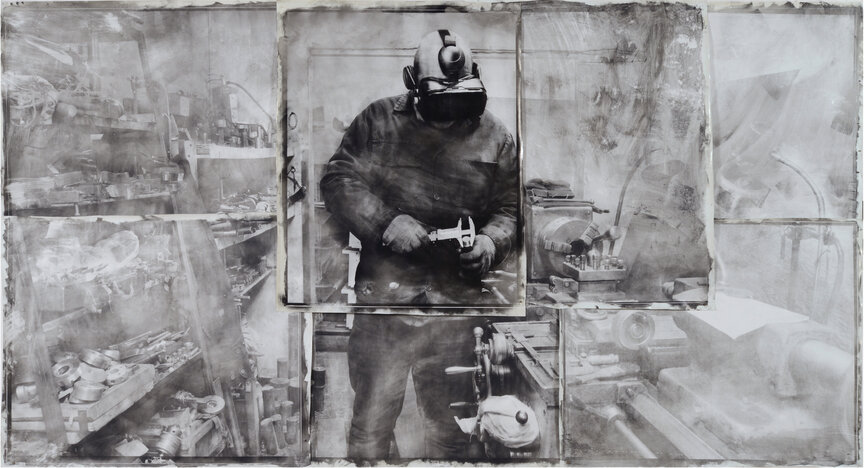
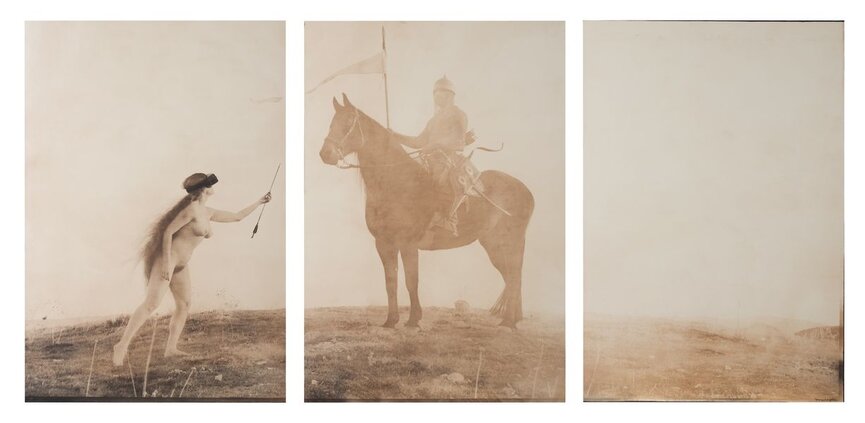
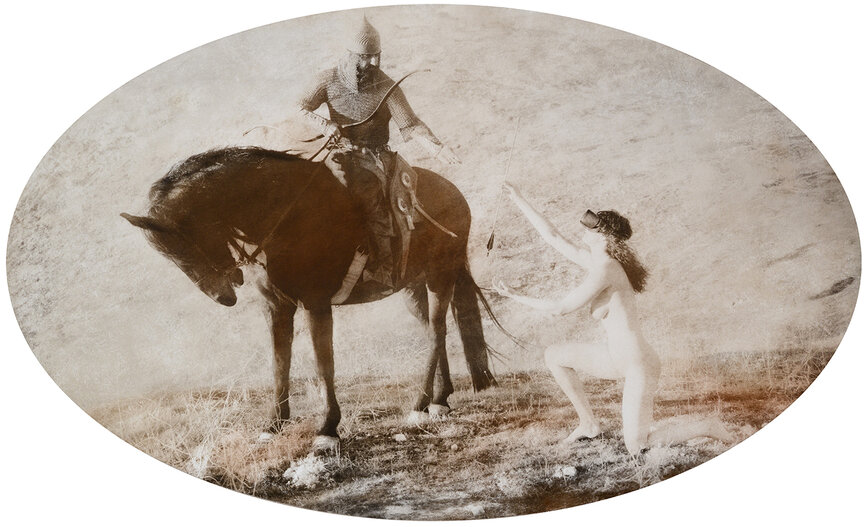
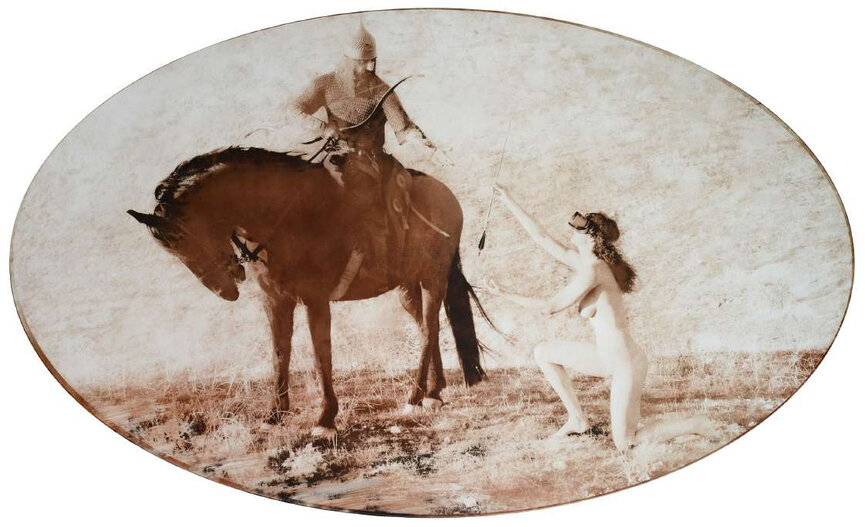
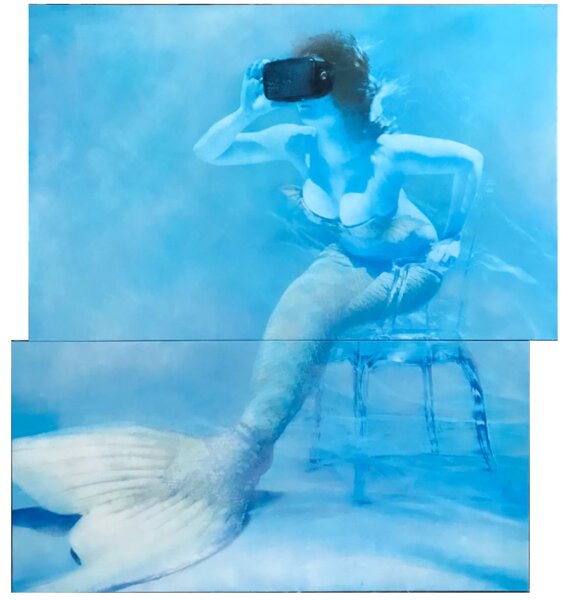
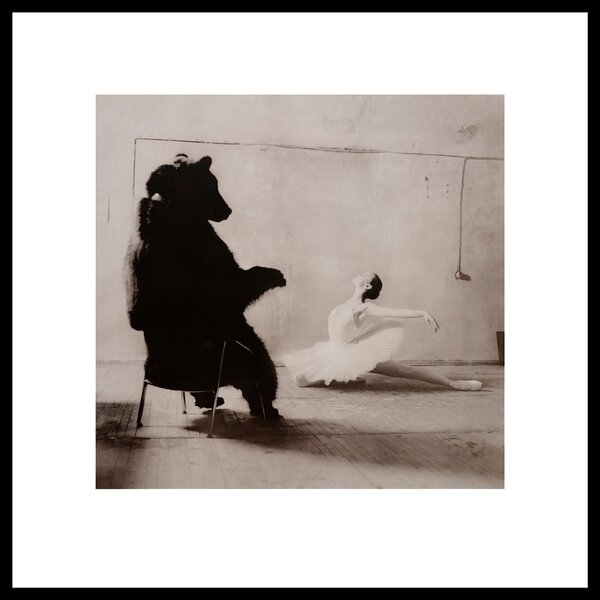
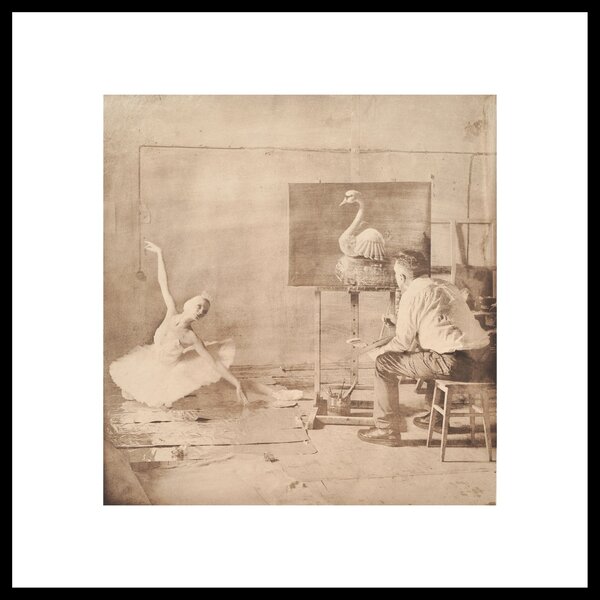
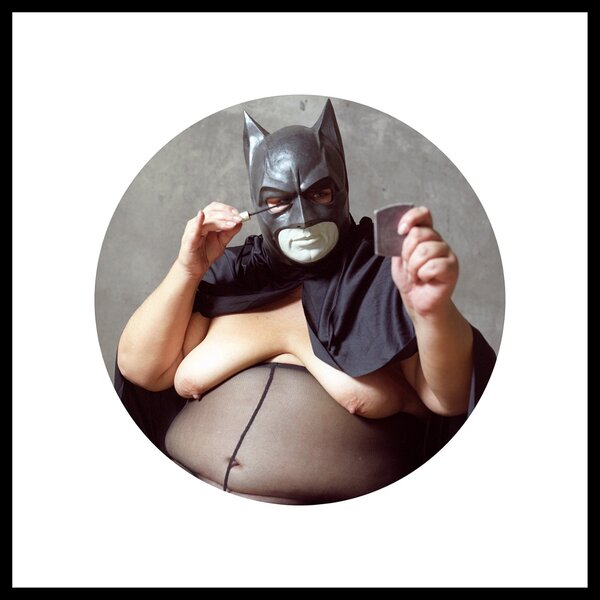
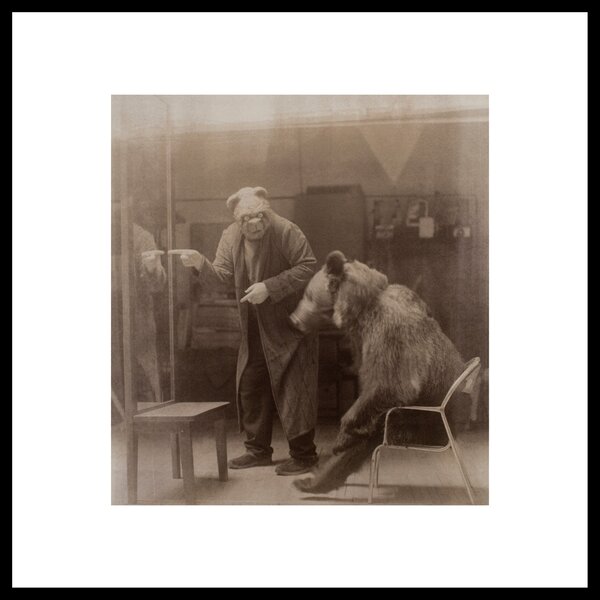
Maiofis's works are not like photographs in the usual sense: his works are blurred, often assembled from several layers of images. Like moments of awareness, they seem to flicker in the field of vision, soft, indistinct, with indeterminate boundaries. Here, Maiofis once again challenges photographic representation and adds another layer of meaning, creating images with mimetic and painterly qualities. He achieves this by using the bromoil printing process, a method borrowed from another era, invented and widely used in the first quarter of the twentieth century.
This is a laborious process that requires considerable skill. First, the photographer creates a traditional silver-gelatin print. Not all modern papers are suitable for bromoil, so it takes a fair amount of experimentation at the beginning to find the right medium. The paper is then bleached to remove silver salts and treated with a solution of potassium dichromate. As a result, a ghostly image is created, obtained from a cured layer of gelatin of various thicknesses, called a matrix. Then it is fixed, dried, soaked in water again and dried to a state of wet paThis is a laborious process that requires considerable skiirst, the photographer creates a traditional silver-gelatin print. Not all modern papers are suitable for bromoil, so it takes a fair amount of experimentation at the beginning to find the right medium. The paper is then bleached to remove silver salts and treated with a solution of potassium dichromate. As a result, a ghostly image is created, obtained from a cured layer of gelatin of various thicknesses, called a matrix. Then it is fixed, dried, soaked in water again and dried to a state of wet paper. Where the gelatin layer is thickest, the matrix swells in water; where the layer is thinner, less moisture remains. After that, the paint commonly used in lithography is applied to the surface. Since oil and water do not mix, the paint does not penetrate into the ar